Belly fat is more than a matter of appearance—it’s a marker of health. While the fat under your skin can change how you look, the deeper visceral fat around your organs can quietly raise your risk of disease. It can also be a serious health risk. There are two types: subcutaneous fat (just under the skin) and visceral fat (surrounding your internal organs). While the former affects appearance, visceral fat is far more dangerous.
Visceral fat is the deep fat that accumulates around organs such as the liver, pancreas, and intestines inside the abdominal cavity. Excess visceral fat is linked to heart disease, type 2 diabetes, stroke, and chronic inflammation, making it one of the biggest threats to long-term health. The good news is that research shows you can reduce it with the right mix of diet, exercise, and lifestyle changes.
In this article, we’ll explore the science-backed ways to lose belly and visceral fat [1]. These strategies will help you understand how to lose visceral fat effectively and safely through diet, exercise, and lifestyle changes.
Understanding Belly and Visceral Fat
Belly fat isn’t all the same. The fat you can pinch on your stomach is called subcutaneous fat, and while it may affect appearance, it’s not the most dangerous. Moreover, the real concern is visceral fat—the deep fat that wraps around your organs.
Visceral fat is metabolically active, releasing hormones and inflammatory proteins. that can disrupt normal body functions. Studies link it to metabolic syndrome, insulin resistance, fatty liver disease, heart disease, and type 2 diabetes. Unlike subcutaneous fat, it behaves more like an endocrine organ, fueling inflammation and raising long-term health risks.
Hormones like cortisol (the stress hormone) and insulin (which regulates blood sugar) play major roles in fat storage. Chronic stress, poor diet, and sedentary habits can all increase visceral fat by keeping these hormones out of balance.
- Subcutaneous fat – the fat just under your skin.
- Visceral fat – the deeper fat [2] that surrounds your organs. This type is more dangerous because it’s linked to heart disease, diabetes, and other health problems.
“Visceral fat … is highly inflammatory: Visceral fat releases cytokines, small proteins that cause inflammation. This inflammation can damage blood vessels and other organs … Poor diet, not enough exercise, and excessive alcohol consumption can lead to high levels of abdominal fat.”
How Visceral Fat Changes With Age?
- As we get older, visceral fat increases—even if our weight doesn’t change much.
- Research suggests that visceral fat can increase significantly with age, up to threefold in men and fourfold in women, especially after menopause
- By the time people reach their 60s, most have more than the “safe” amount linked to higher disease risk.
Nutrition Strategies for Losing Belly Fat
Improving what you eat plays a key role in reducing harmful fat. The following nutrition tips explain how to lose visceral fat by balancing calorie intake, stabilizing blood sugar, and supporting a healthy metabolism.
1. Cut Calories Without Extreme Dieting
Creating a modest calorie deficit helps reduce overall and visceral fat. Crash diets often slow metabolism and make long-term fat loss harder to maintain.
2. Reduce Added Sugars & Refined Carbs
Sugar-sweetened drinks, desserts, and processed carbs spike blood sugar, raise insulin, and promote fat storage around the abdomen. Swapping these for whole foods keeps insulin stable.
Protein curbs appetite, increases satiety, and boosts metabolism. Studies show that higher protein intake can help preserve muscle mass while reducing belly fat.
4. Prioritize Fiber and Gut Health
Soluble fiber (found in oats, beans, apples, flaxseeds) slows digestion and feeds healthy gut bacteria. This not only improves digestion but also helps shrink visceral fat stores.
Excessive alcohol, especially beer and sugary cocktails, is strongly tied to abdominal fat gain—often called the “beer belly.” Moderation is key.
6. Prioritize Sleep and Stress Management
Consistently getting 7–9 hours of sleep and practicing stress-reduction techniques (like meditation or walking) lowers cortisol, a hormone linked to visceral fat storage.
Exercise and Physical Activity
1. Marching in Place
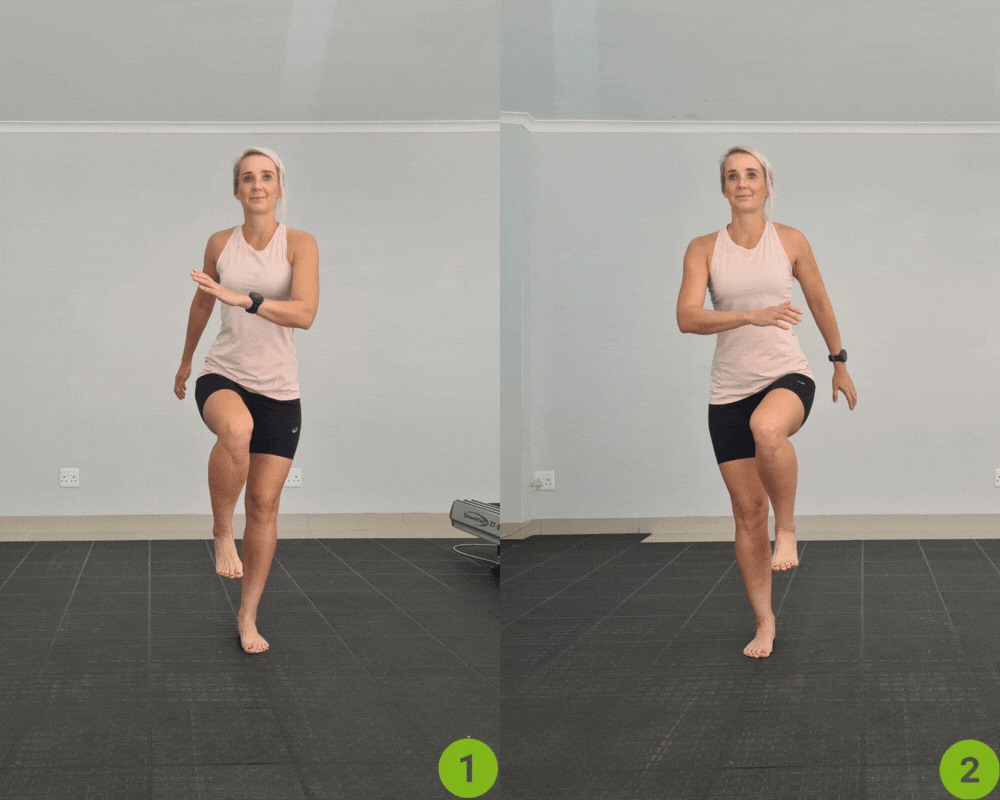
- Begin in an upright standing position with your feet hip-width apart, maintaining good alignment with your head, shoulders, hips, and legs.
- Engage your core. Lift your right knee toward hip height as you swing your left arm forward, then lower your foot back to the ground.
- Repeat the movement on the opposite side by lifting your left knee and swinging your right arm forward.
- Continue alternating legs in a steady marching rhythm.
- Perform the exercise for 3 sets of 30–60 seconds.
2. Chair Squats
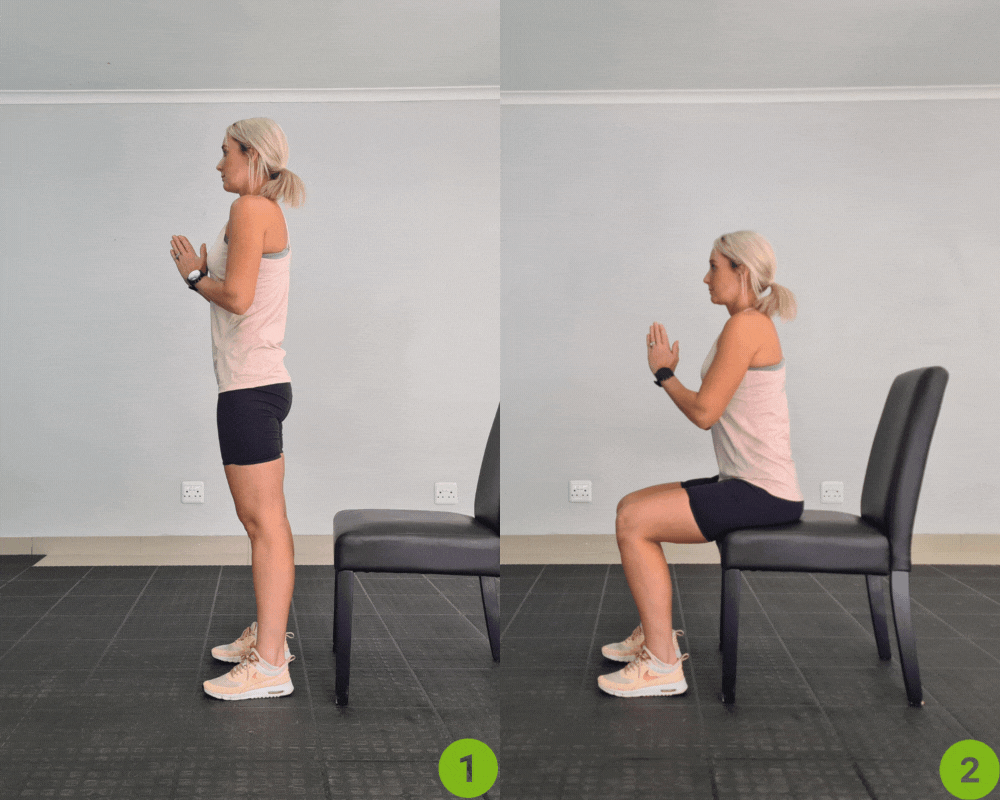
- Begin in an upright standing position in front of a sturdy chair with your feet hip-width apart and your toes pointing slightly outward. Maintain good alignment with your head, shoulders, hips, and legs.
- Engage your core. Slowly bend your knees and hinge at your hips to lower your seat back toward the chair, keeping your chest lifted and arms extended forward for balance.
- Gently tap the chair with your glutes, then press through your heels to return to the standing position.
Complete the movement for 3 sets of 10–12 repetitions.
3. Wall push-ups
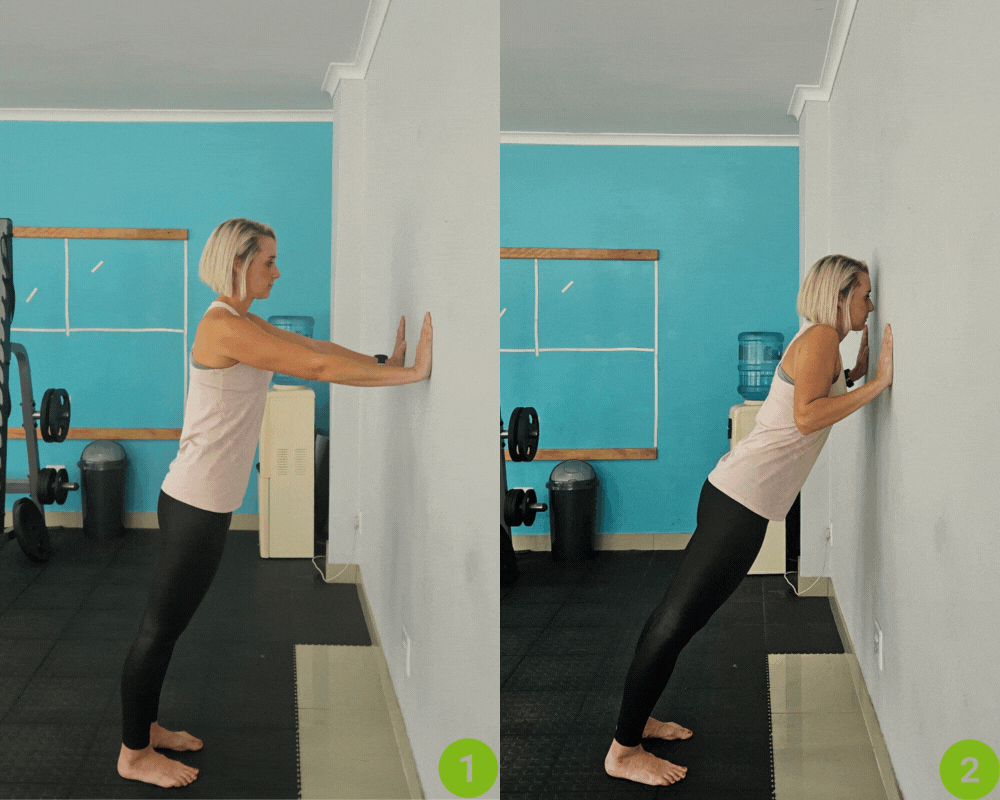
- Begin in an upright standing position facing a wall.
- Then, place your palms flat against the wall at shoulder height and shoulder-width apart.
- Step your feet back slightly so your body is leaning forward at an angle, maintaining proper alignment with your head, shoulders, hips, and legs.
- Engage your core.
- Moreover, bend your elbows and slowly lower your chest toward the wall, keeping your elbows slightly tucked in and your body straight.
- Press through your palms to straighten your arms and return to the starting position.
Complete the movement for 3 sets of 10–12 repetitions.
4. Standing Knee Lifts
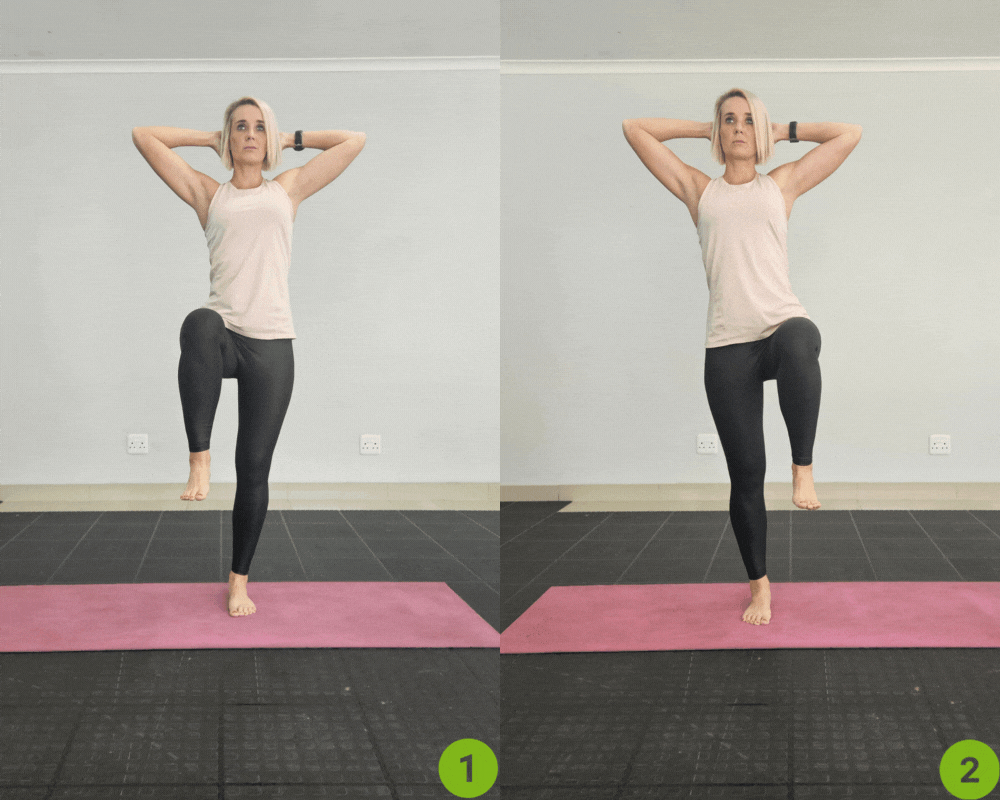
- Begin in an upright standing position with your feet hip-width apart, maintaining good alignment with your head, shoulders, hips, and legs.
- Then, place your hands lightly behind your head with your elbows pointing outward. Engage your core.
- Lift your right knee toward your chest while keeping your upper body tall and stable.
- Lower your leg back down to the starting position.
- Moreover, repeat the movement on the opposite side by lifting your left knee.
- Continue alternating legs in a controlled marching motion.
Complete the movement for 3 sets of 10–12 repetitions on each side.
5. Step-ups
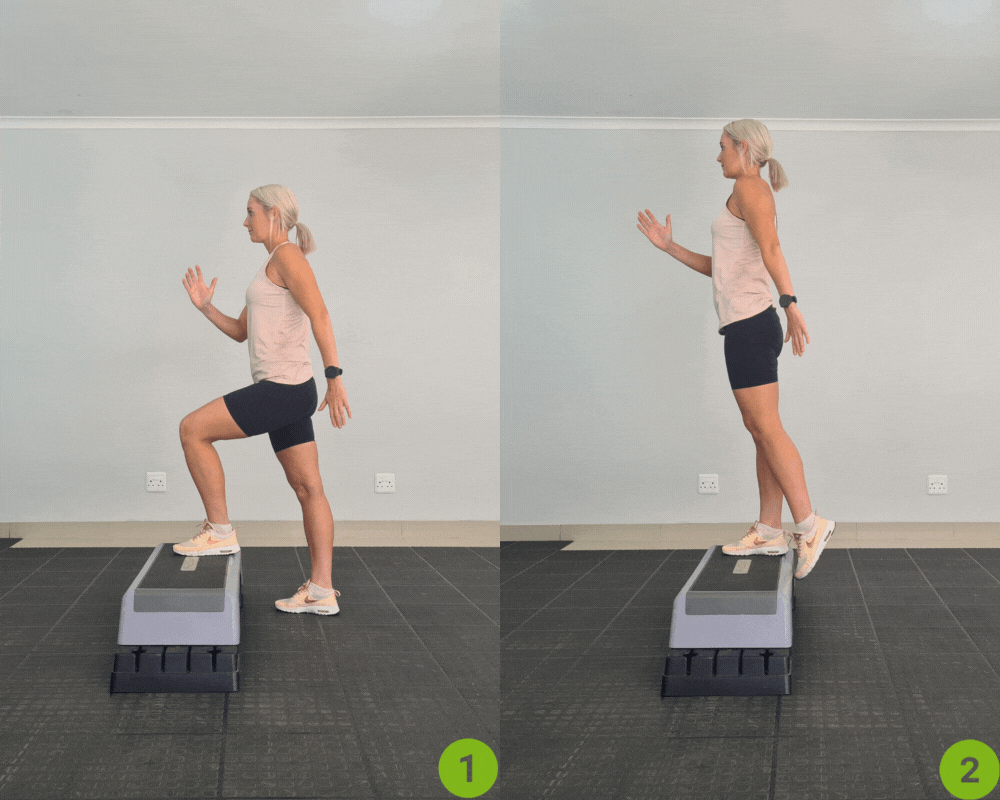
For this exercise, a sturdy bench, a stair, or a box can be used for support if needed.
- Stand in front of the box or a stair.
- Place your right foot on top of the box, stair, or bench, then push yourself up onto it.
- Then slowly step down with your left foot.
- Perform the next step with the left foot leading first, alternating them throughout the exercise.
- Repeat the movement.
As strength improves, you can progress to higher-intensity moves like planks, lunges, or interval training for added fat-burning benefits.
What Science Says About Progress?
Small, Sustainable Changes Beat Extreme Measures
Research shows that crash diets and extreme exercise plans rarely last. Instead, gradual and sustainable lifestyle changes are far more effective for long-term success. Even modest improvements in nutrition, activity, and sleep can create steady progress in reducing visceral fat.
Visceral Fat Can Decrease Quickly
The encouraging news is that visceral fat often responds faster to lifestyle changes than the fat just under your skin (subcutaneous fat). This means your health markers can improve even before you see major changes in the mirror. For example, insulin sensitivity, blood pressure, and cholesterol levels may improve within weeks of starting a consistent routine.
Tracking Progress Beyond the Scale
The bathroom scale doesn’t tell the whole story. Measuring waist circumference, monitoring energy levels, and checking key health markers (such as blood sugar or cholesterol) provide a clearer picture of progress. These measures reflect real improvements in health—even if your weight doesn’t change dramatically at first.
Conclusion
Visceral fat may be one of the most harmful types of body fat, but the science is clear: it can be managed and reduced with the right approach. By combining balanced nutrition, regular exercise, quality sleep, and stress management, you can take meaningful steps toward better health.
Understanding how to lose visceral fat isn’t just about looking leaner—it’s about improving heart health, lowering inflammation, and protecting your long-term well-being
Progress doesn’t require perfection. Patience and consistency are key—sustainable changes [3] build lasting results. Remember, even small steps like walking more, eating fewer refined carbs, or getting an extra hour of sleep can have a big impact over time.
The best time to begin making changes is today—even small steps can add up to major long-term benefits. Try adding one or two of these science-backed strategies into your routine today—and begin moving toward a healthier, stronger, and more energized version of yourself.
Frequently Asked Questions
How do you lose belly fat and visceral fat?
Losing belly and visceral fat requires a combination of healthy lifestyle habits. Moreover, focus on a balanced diet rich in lean proteins, whole grains, fruits, vegetables, and healthy fats while limiting sugar and refined carbs. Regular exercise is key—combine cardio activities like walking, cycling, or swimming with strength training to build muscle and boost metabolism. Consistent sleep and stress management also play a major role, as poor sleep and high cortisol levels promote fat storage. Small, sustainable changes over time are the most effective way to reduce belly and visceral fat.
What burns more visceral fat?
Research shows that both cardio and strength training help reduce visceral fat, but a combination of the two is most effective. Cardio, such as running, brisk walking, or cycling, burns calories and reduces overall fat. Moreover, strength training builds muscle, which raises your resting metabolism so you burn more even at rest. Additionally, High-Intensity Interval Training (HIIT) is especially powerful, as it alternates bursts of effort with recovery, burning visceral fat faster than steady workouts. Together, these forms of exercise create the best results for targeting visceral fat while improving overall health and fitness.
What drink melts visceral fat?
No single beverage directly eliminates visceral fat, but some beverages support fat loss as part of a healthy lifestyle. Water is the best option, helping regulate appetite and support metabolism. Green tea contains catechins and caffeine, which research suggests may modestly enhance fat metabolism when combined with exercise. Black coffee, without added sugar or cream, can also stimulate metabolism and improve exercise performance. On the other hand, sugary drinks and excess alcohol encourage belly fat storage. So, while drinks alone won’t reduce visceral fat, choosing water, green tea, or coffee supports overall fat loss goals.
Do you lose belly fat or visceral fat first?
The body usually loses visceral fat before subcutaneous (under-the-skin) belly fat. Visceral fat is metabolically active, meaning it responds more quickly to changes in diet and exercise. This is good news, because it means health improvements—such as better insulin sensitivity, lower cholesterol, and reduced inflammation—often happen before visible changes in waist size. While you may not notice immediate slimming in the mirror, your body is already becoming healthier internally. Over time, with consistency, both visceral and subcutaneous fat levels decrease, leading to a trimmer waistline and better long-term health.
References
- Jordan, J., & Grassi, G. (2010). Belly fat and resistant hypertension. Journal of Hypertension, 28(6), 1131–1133. https://doi.org/10.1097/HJH.0b013e328339b8d9
- Sunte, J. (2023). The belly fat problem solving method and analysis. Research and Reviews: Journal of Mechanics and Machines, 5(1), 1–3. https://doi.org/10.5281/zenodo.7766854
- Hunter, G. R., Gower, B. A., & Kane, B. L. (2010). Age related shift in visceral fat. International Journal of Body Composition Research, 8(3), 103–108. https://doi.org/10.1038/oby.2009.316 (PMID: 24834015; PMCID: PMC4018766. https://pmc.ncbi.nlm.nih.gov/articles/PMC4018766/